


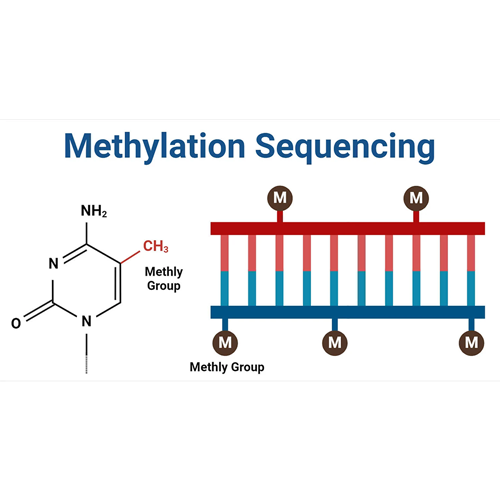
Methylation is a fundamental biochemical process involving the covalent addition of a methyl group to biological molecules, most notably DNA and proteins. It functions as a key epigenetic regulator that alters molecular function and gene expression without changing the underlying sequence, often causing transcriptional silencing when occurring in CpG islands.
Molecular Mechanism and Types
- DNA Methylation: The most common form involves adding a methyl group to the 5′ carbon of cytosine residues in CpG dinucleotides to form 5-methylcytosine (
). This modifies the DNA structure, allowing it to act as a “tag” that influences protein-DNA interaction.
- Protein/Histone Methylation: Methyl groups are added to amino acid residues (like lysine or arginine) on histone proteins, altering how tightly DNA is packaged, which regulates access for gene transcription.
- The Process: Enzymes known as DNA methyltransferases (DNMTs) act as “writers” to add these groups, using S-adenosylmethionine (SAM) as the universal methyl donor.

Key Biological Functions
- Gene Silencing/Regulation: Methylation generally blocks transcription factors from binding or recruits proteins that close chromatin structure, “switching off” genes.
- Epigenetic Memory: Essential for imprinting (parent-specific gene expression) and cell differentiation, allowing cells to maintain their specialized identity during division.
- Development and Disease: Methylation patterns are established during early embryo development and are vital for tissue-specific gene regulation, with abnormal patterns linked to diseases.
Key Regulators
- Writers: DNMT1, DNMT3A, DNMT3B add methyl groups.
- Erasers: Demethylases remove methyl groups, which can reverse silencing.
- Readers: Proteins that recognize and bind to methylated DNA to initiate downstream effects, such as Gene silencing.
