


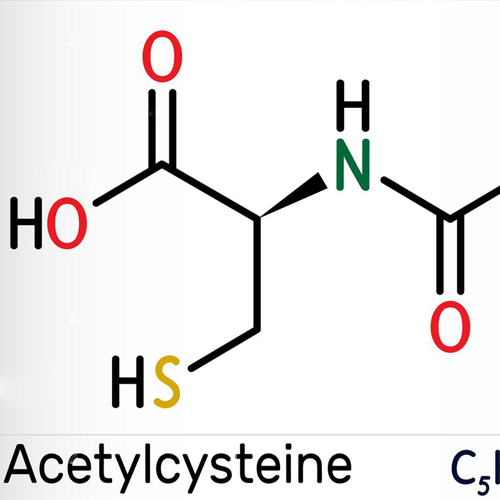
N-acetylcysteine (NAC) supports healthy methylation by acting as a precursor to glutathione, reducing oxidative stress that inhibits DNA methyltransferase (DNMT) enzymes, and helping regulate the remethylation of homocysteine to methionine. By lowering oxidative damage, NAC helps maintain appropriate DNA methylation patterns, preventing the hypomethylation caused by toxins.
Key Roles of NAC in Methylation:
- Protecting Methylation Enzymes: High levels of oxidative stress can damage enzymes responsible for methylation (DNMTs). NAC increases glutathione, a potent antioxidant that protects these enzymes, ensuring they can function correctly.
- Reversing Impaired Methylation: NAC has been shown to reverse the decrease in DNA methylation (hypomethylation) caused by heavy metals, environmental pollutants, and engineered nanoparticles.
- Supporting the Methionine Cycle: NAC provides cysteine, which is essential for glutathione synthesis. This metabolic pathway is linked to the recycling of homocysteine into methionine, which is needed to create S-adenosylmethionine (SAMe), the primary methyl donor in the body.
- Modulating m6A Methylation: Research suggests NAC can influence RNA methylation, specifically regulating the expression of genes like ATF4 involved in stress responses, which has implications for cognitive health and disorders such as PTSD.
NAC is essential for protecting the body’s methylation capacity, especially under conditions of high oxidative stress, such as chronic illness or toxic exposure.
