


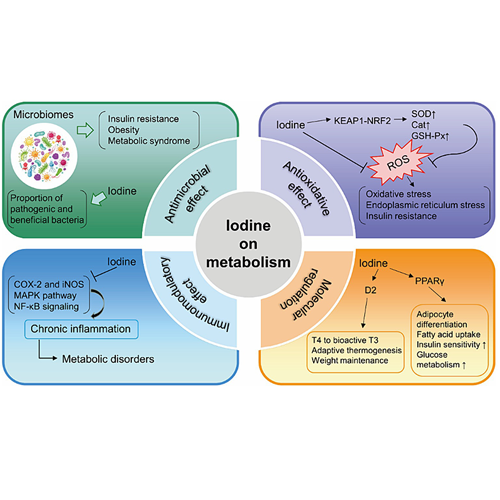
Iodine is critical for brain development and overall health, particularly during pregnancy and early childhood. While the thyroid gland requires iodine for hormone production, iodine receptors exist in many tissues, including the stomach, mammary glands, and brain, confirming its widespread importance beyond just thyroid function.
- Brain Health & Development: Iodine is crucial for producing thyroid hormones, which regulate brain development from the early fetal stages (first 1000 days) to childhood. Deficiency can lead to cognitive decline, lower IQ, and in severe cases, cretinism.
- Widespread Receptors: Research confirms that iodine receptors are not exclusive to the thyroid; receptors or transporters exist in other tissues such as the breast, stomach, and brain.
- Essential Function: Iodine helps maintain healthy brain function by aiding the production of thyroxine and its conversion into active triiodothyronine
in the brain.
- Sources & Deficiency: Common sources include iodized salt, dairy products, eggs, and seafood. Deficiencies can cause cognitive impairment and thyroid issues.
 in the brain.