


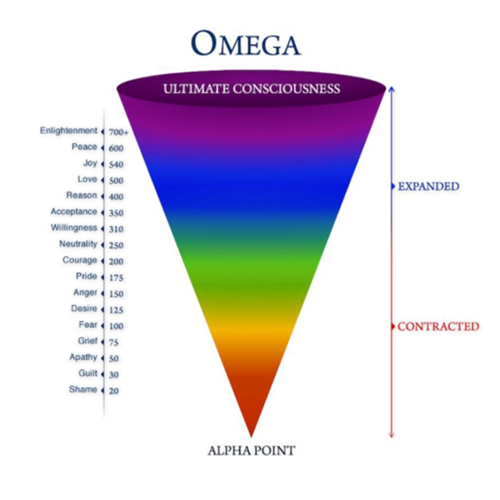
Yes, thoughts are associated with measurable frequencies in the brain, although not in the way often claimed by popular “vibrational” theories. Thoughts correspond to electrical impulses (brainwaves) with specific frequencies—such as Alpha or Beta—that can be measured by an EEG, representing different mental states rather than a single, distinct frequency per thought.
Brainwaves and Frequencies
The brain operates on different frequencies based on activity, which can be monitored via electroencephalography (EEG):
The brain operates on different frequencies based on activity, which can be monitored via electroencephalography (EEG):
- Delta (0.5–4 Hz): Deep sleep.
- Theta (4–7 Hz): Deep meditation, creativity, light sleep.
- Alpha (8–13 Hz): Relaxation, calm, and focus.
- Beta (13–30 Hz): Active thinking, alertness, and conscious thought.
- Gamma (30–150 Hz): High-level information processing and cognitive function.
- Scientific View: Neuroscientists can measure the electric “firing rate” of neurons, which changes depending on the intensity and type of thought. However, technology cannot currently decode the specific content or meaning of individual thoughts from these frequencies.
- Metaphysical View: Many new-age interpretations argue that thoughts have vibrations linked to positive or negative emotions (e.g., love is high frequency, fear is low). These ideas suggest that like sound or light, thought vibrations can influence the surrounding environment.
- Brain waves are real and measurable; they are not mystical but electrical oscillations, as noted on r/consciousness.
- Thought patterns are complex, dynamic, and change frequently rather than being a single fixed rate, say users on Quora.
- While neurons create tiny electrical signals, these generally do not extend beyond the skull in the way that radio waves leave an antenna,
